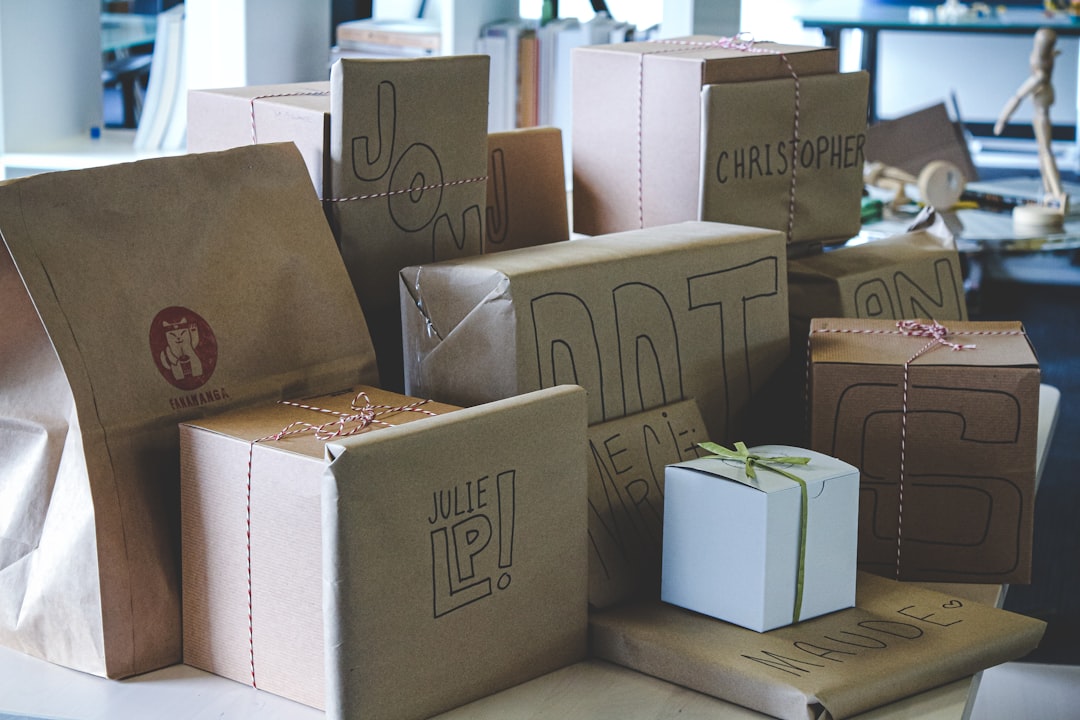
Dropshipping is a retail fulfillment method where a store doesn’t keep the products it sells in stock. Instead, when a store sells a product, it purchases the item from a third party and has it shipped directly to the customer. Understanding dropshipping profitability in 2026 is crucial for anyone looking to start or expand an online business in the current market, as it allows entrepreneurs to operate with lower overhead costs and minimal risk.
The Simple Version
Imagine you're running a bookstore, but instead of keeping books on your shelves, you take orders from customers and then contact a publisher to ship the books directly to them. You never handle the books yourself; you simply act as the middleman. This is essentially what dropshipping is: a way of selling products without having to stock them yourself. You find suppliers who are willing to ship directly to your customers, allowing you to focus on marketing and customer service rather than inventory management. This model is appealing because it reduces the financial risk involved in starting a business — you don’t need to invest in large quantities of products upfront. Instead, you only buy what has already been sold, making it an attractive option for many entrepreneurs.
How It Actually Works
The dropshipping process begins with an online store owner who curates a selection of products from various suppliers. When a customer places an order on the store’s website, the store owner receives payment and then forwards the order details to the supplier. The supplier packages the product and ships it directly to the customer, while the store owner keeps the difference between the retail price and the wholesale cost as profit. This model relies heavily on effective partnerships with reliable suppliers. For instance, platforms like Shopify and WooCommerce allow entrepreneurs to easily set up their online storefronts and connect with dropshipping suppliers through apps like Oberlo or Spocket. An important factor in dropshipping profitability in 2026 will be finding suppliers that offer quality products and timely shipping, as this directly impacts customer satisfaction and return rates. Additionally, managing marketing effectively is crucial; store owners need to attract customers to their sites and convert visits into sales.
Why It's Getting Attention Right Now
The dropshipping model is gaining traction in 2026 for several reasons. First, the rise of e-commerce has been accelerated by changes in consumer behavior, particularly due to the pandemic, leading many people to shop online more than ever. This shift has created a larger market for dropshippers, especially in regions where internet penetration continues to grow. Additionally, advancements in technology have made it easier to set up and manage an online store. With platforms that automate many aspects of the business, from inventory management to shipping logistics, aspiring entrepreneurs can start dropshipping with minimal technical skills. Moreover, social media has become a powerful tool for marketing, allowing dropshippers to reach targeted audiences efficiently and cost-effectively. These factors combined mean that dropshipping is not just a passing trend; it’s becoming a viable and potentially profitable business model for many.
What People Get Wrong About It
One common misconception about dropshipping is that it’s a way to get rich quickly with little effort. While it’s true that the barriers to entry are low, succeeding in dropshipping requires significant work in areas like market research, customer service, and marketing. Many new entrepreneurs underestimate the competition and the importance of finding a niche market. Another misunderstanding is that dropshipping means no financial investment; in reality, there are costs involved, such as setting up a website, paying for advertising, and any fees charged by suppliers. Additionally, some believe that the dropshipping model leads to poor quality or unreliable products. This can happen if the supplier is not properly vetted, making it essential for dropshippers to conduct thorough research to ensure they work with reputable suppliers.
Real-World Examples
One notable example of successful dropshipping is Oberlo, a platform that connects entrepreneurs with suppliers who offer dropshipping services. Many small businesses have used Oberlo to launch their own online stores, tapping into various product niches without holding inventory. Another example is the brand Printrove, which offers print-on-demand products through a dropshipping model, allowing designers to create and sell their own merchandise with minimal upfront costs. Finally, companies like Gymshark started with dropshipping before transitioning to holding inventory as they grew, demonstrating that this model can be a stepping stone for larger business ventures.
Frequently Asked Questions
Q: How much money do I need to start a dropshipping business?
A: You can start a dropshipping business with very little capital. While there are costs for setting up a website and marketing, you don't need to invest in inventory upfront, making it accessible for many.
Q: What are the biggest challenges in dropshipping?
A: Some of the biggest challenges include finding reliable suppliers, managing shipping times, and dealing with customer service issues. Success requires careful research and strong communication skills.