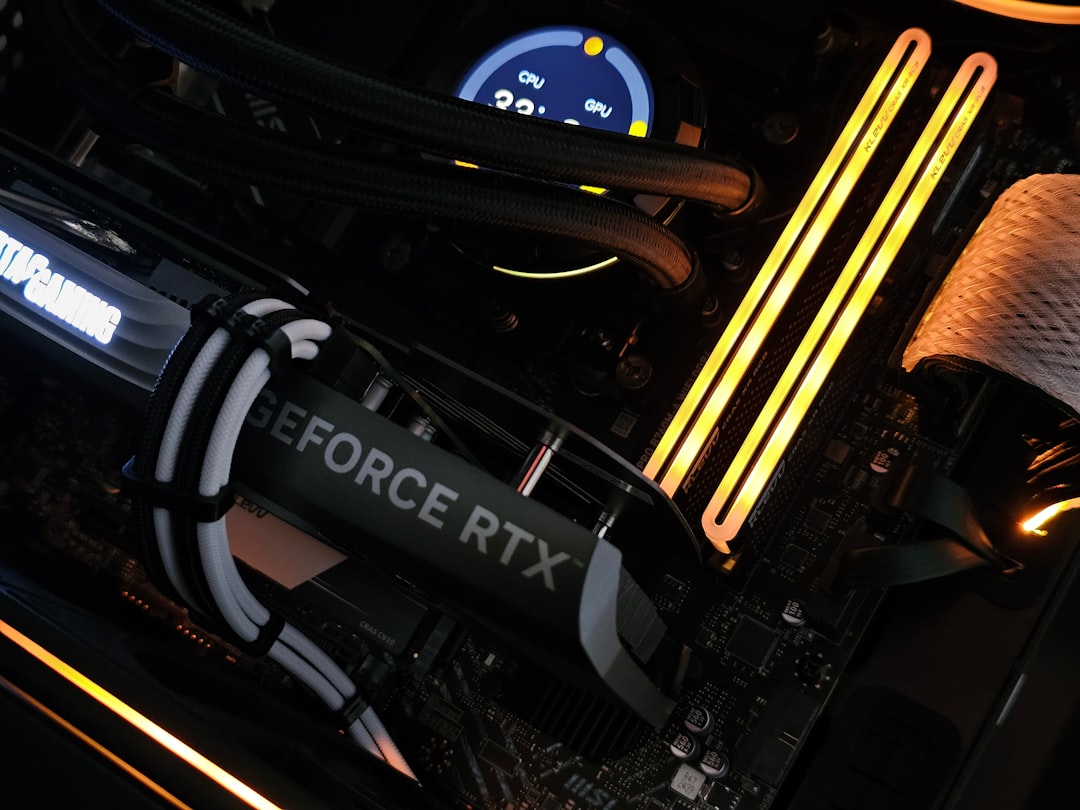
NVIDIA has officially rolled out DLSS 5, an advancement in gaming graphics that utilizes artificial intelligence to enhance visual fidelity in real time. This latest iteration promises a leap in performance and quality, setting a new standard that may reshape gaming experiences for both developers and players alike.
The Story
On March 18, 2026, NVIDIA unveiled its latest technology, DLSS 5, at a highly anticipated event in San Francisco. This release follows the company's previous innovations in AI-driven graphics technology, notably the introduction of DLSS in 2018 and real-time ray tracing. The development team at NVIDIA claims that DLSS 5 significantly improves image quality, providing gamers with richer textures, improved lighting, and smoother frame rates without compromising hardware performance. The technology leverages advanced AI algorithms to upscale lower-resolution images while enhancing details, effectively allowing games to run at higher visual fidelity on less powerful hardware. The implications extend beyond mere graphics; they influence game design, player immersion, and hardware sales. With major titles already integrating DLSS 5, including the much-anticipated sequel to "Cyberpunk 2077," the gaming landscape is set for transformation.
Why It Matters
The introduction of DLSS 5 marks a critical juncture for the gaming industry, particularly as the demand for high-quality graphics continues to escalate. This technology enables developers to create visually stunning worlds that were previously unattainable on standard consumer hardware. By offering AI-enhanced visuals, NVIDIA not only elevates the gaming experience but also broadens access, allowing players with mid-range systems to enjoy high-end graphics. Analysts estimate that the adoption of DLSS 5 could increase game sales, as more consumers are incentivized to purchase games that showcase this advanced technology. Additionally, the competitive landscape among graphics card manufacturers is poised to intensify, with NVIDIA's rivals needing to innovate rapidly to keep pace. This could lead to a new wave of technological advancements across the board, ultimately benefiting gamers through improved experiences and lower costs.
The Details Most Reports Miss
While much media attention is focused on the immediate benefits of DLSS 5, the long-term ramifications are far more complex. The reliance on AI for image enhancement raises questions about the future of artistic intent in game design. Developers may increasingly lean on AI to achieve their visual goals, potentially compromising the unique craftsmanship that defines many beloved titles. The implementation of DLSS 5 could lead to fragmentation within the gaming community. Not all titles will adapt to the new technology at the same pace, which may create disparities in user experience across different platforms. The debate surrounding the ethical implications of AI in creative fields also looms large, as discussions about the impact of machine learning on human creativity gain traction. As NVIDIA continues to refine DLSS technology, it will be essential for the industry to address these challenges to ensure that AI enhances rather than diminishes the artistry of game development.
What Happens Next
Looking ahead, the gaming industry will likely witness a swift integration of DLSS 5 across both triple-A and indie titles. Major game developers are expected to announce support for the technology in upcoming releases, with many aiming for launches optimized for DLSS 5 before the holiday season of 2026. NVIDIA's competitors will also be compelled to respond, either by developing their own AI-driven technologies or enhancing existing offerings to remain competitive. The next few months will be critical for assessing the impact of DLSS 5 on consumer purchasing behavior and overall market dynamics. As gamers adapt to these advancements, a clearer picture of the technology's influence on gaming culture will emerge.
Key Takeaways
- NVIDIA DLSS 5 enhances gaming graphics through AI, improving image quality and frame rates.
- Analysts estimate a potential increase in game sales due to the technology's broader accessibility.
- The adoption of DLSS 5 will likely drive competition among graphics card manufacturers to innovate.
Frequently Asked Questions
Q: What is DLSS 5 and how does it work?
A: DLSS 5 is NVIDIA's latest AI-driven technology that upscales lower-resolution images in real time, enhancing visual fidelity in video games without the need for high-end hardware. It utilizes advanced algorithms to improve graphics quality, making gaming experiences richer and more immersive.
Q: How will DLSS 5 affect game performance?
A: DLSS 5 is designed to improve game performance by allowing for higher-quality graphics at lower computational costs. This means that players can enjoy visually stunning games even on mid-range systems, potentially leading to smoother gameplay and higher frame rates.