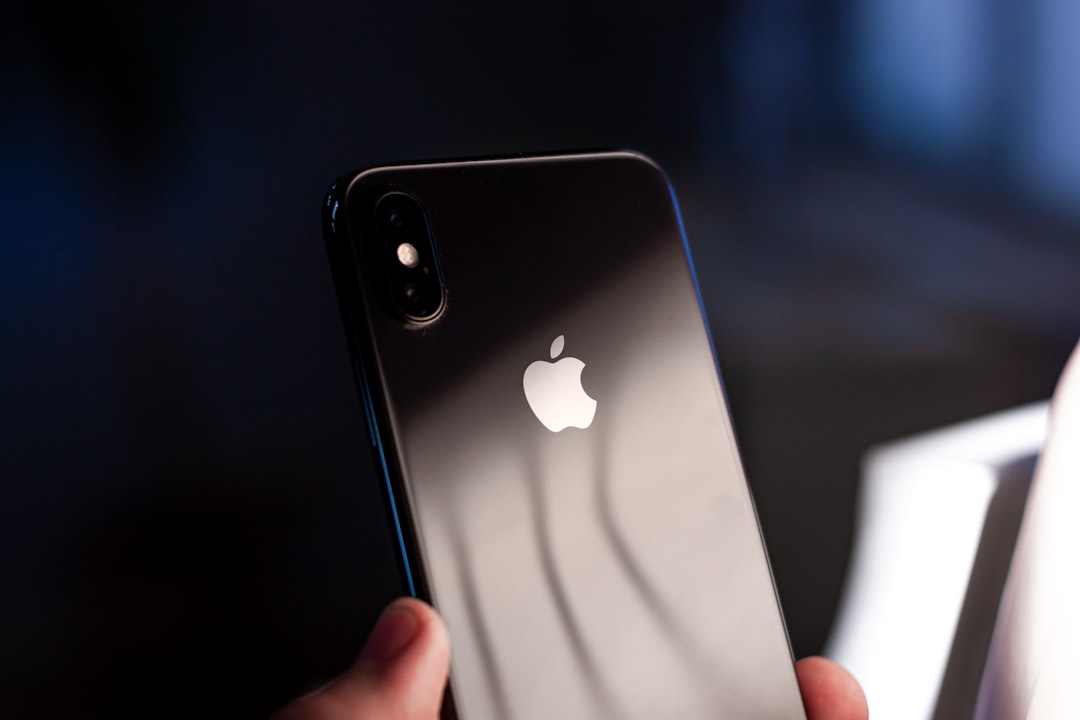
Apple's anticipated entry into the foldable smartphone market has sparked considerable buzz, with analysts projecting sales to reach tens of millions within the first year. However, skepticism surrounds the forthcoming iPhone Fold, particularly regarding its steep price tag and the absence of a crucial feature: support for the Apple Pencil. This dual concern raises questions about consumer willingness to embrace a new form factor from a brand synonymous with innovation.
The Story
Apple is reportedly gearing up to launch its first foldable phone, dubbed the iPhone Fold, potentially by the end of 2026. This move positions Apple to compete directly with existing foldable offerings from Samsung, Huawei, and others, which have gained traction in the market. Analysts speculate that the iPhone Fold will feature advanced technology, including a flexible display and enhanced multitasking capabilities. However, the buzz is tempered by projected pricing estimates ranging from $1,500 to $2,000, a figure that could alienate mainstream consumers. The absence of Apple Pencil compatibility, a feature that many creatives and professionals have come to expect from the iPad lineup, further complicates its appeal. The launch of the iPhone Fold could reshape Apple's product offerings, but the high cost combined with the lack of this essential feature may deter potential buyers.
Why It Matters
The introduction of a foldable iPhone holds significance beyond just hardware innovation; it represents a strategic pivot for Apple in a rapidly evolving smartphone landscape. As competitors innovate with dual-screen and foldable devices, Apple risks losing its edge in a market increasingly defined by versatility and functionality. The iPhone Fold, if successful, could rejuvenate Apple's product line and drive revenue growth, particularly among tech-savvy consumers. However, the high price point raises critical questions about market accessibility. Apple has traditionally positioned itself as a premium brand, yet this pricing strategy could limit adoption among average consumers, ultimately impacting overall sales. The failure to include Apple Pencil support may alienate professionals who rely on stylus input for productivity. Consequently, the iPhone Fold's success hinges not only on its technological advancements but also on its ability to resonate with a diverse consumer base.
The Details Most Reports Miss
While the story of Apple's foldable phone has garnered significant media attention, many analyses overlook the historical context of Apple's product development strategy. Apple has a history of entering markets only after competitors have established a foothold, often choosing to refine existing technologies rather than pioneer new ones. This approach has yielded successful products like the iPhone and iPad, but it raises concerns about whether Apple can effectively capture market share in the foldable segment, where consumer expectations are already shaped by existing devices. Additionally, the lack of Apple Pencil support highlights a potential disconnect between Apple's vision for the iPhone Fold and the needs of its professional user base. Analysts suggest that without this feature, Apple risks positioning the iPhone Fold as a luxury item rather than a functional tool. The interplay between premium pricing and essential features will undoubtedly shape consumer perceptions and preferences as the launch date approaches.
What Happens Next
As Apple prepares for the iPhone Fold's launch, attention will turn to consumer reactions and pre-order numbers. Analysts will closely monitor early sales data to gauge market reception, particularly in light of the high price and feature limitations. Apple’s marketing strategy will play a crucial role in framing the iPhone Fold as a desirable product rather than just an expensive novelty. If the device fails to meet sales expectations, Apple may be forced to reconsider its pricing strategy or enhance features in subsequent iterations. The timeline for any adjustments will likely depend on initial feedback from early adopters and broader market trends, with implications for Apple's overall strategy in the smartphone market.
Key Takeaways
- Projected pricing for the iPhone Fold ranges from $1,500 to $2,000, potentially limiting its market reach.
- The absence of Apple Pencil support could alienate professional users who rely on stylus functionality.
- Consumer reactions and early sales data will be critical indicators of the iPhone Fold's market viability.
Frequently Asked Questions
Q: What is the expected price range for the iPhone Fold?
A: Analysts estimate the price will range between $1,500 and $2,000, positioning it as a premium device in the foldable smartphone market.
Q: Will the iPhone Fold support the Apple Pencil?
A: Current reports suggest that the iPhone Fold will not support the Apple Pencil, which may limit its appeal to creative professionals.